Last science class (21st of January 2014 on a Tuesday) we went to a wet market to look at fruits and vegetable and spices and all sorts of other plant life. Well, right now it would be plant death. We, in groups of two, looked each at three fruits and three vegetables. Also, some of the groups were given money to buy a particular fruit or vegetable, including ours, but we never got to buy our starfruit because Sheng Siong Market was out of starfruit. As far as I know, our group was the only one that failed to buy a fruit.
Here's a list of all the fruit we took notes on:
Lotus Root
Lotus root is long a tubular. It seems to have an unattractive color, and an unattractive taste, so it probably doesn't spread its seeds through animals. Inside the lotus root are large holes, possibly for seeds, or possibly filled with air to float, or maybe even to decrease the amount of root the lotus has to grow.
Chili
Chili is small and red. It quite obviously does not like animals. It has a distinct spicy taste which animals quite obviously would hate, and its red color serves probably as a warning. The store has a whole bunch of fresh chillies, so they are obviously very easy to grow in our climate. Or maybe chillies just grow a whole bunch of seed pods on one plant, explaining their quite diminutive size.
Eggplant
Eggplant is oblong, and also quite nice smelling. The eggplants large size and juiciness probably means the eggplant seed pod can survive for a very long time, and is packed full of useful nutrients. Perhaps the nutrients can also be used to attract animals to eat them.
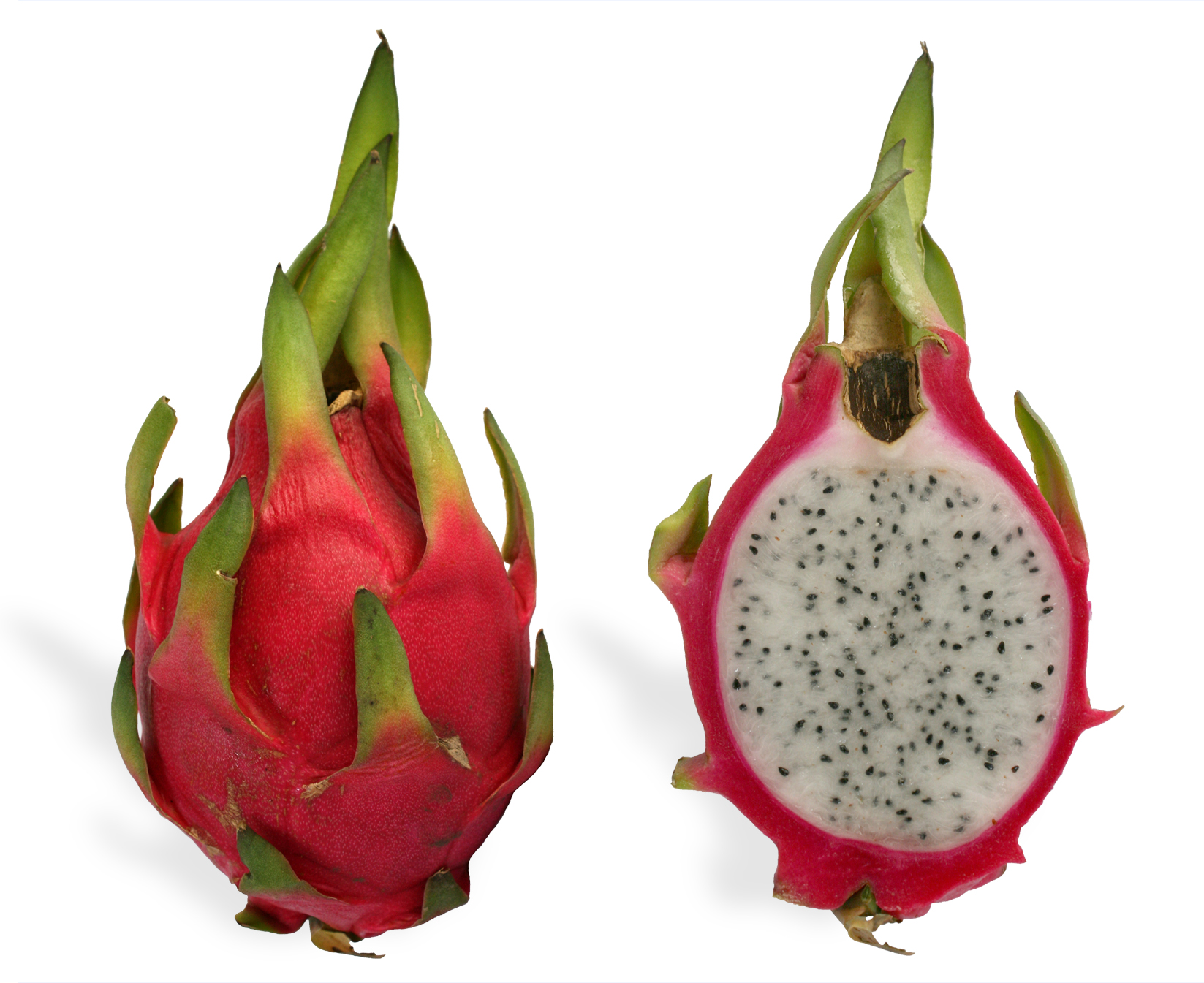
Dragonfruit
Dragonfruit (why does my spellchecker say this is wrong?) is very colorful. And, as Ryan said, demented shaped. The colors probably serve to attract animals, and so does the smell and sweet flesh. The flesh contains
thousands of tiny hard black seeds. Make tons of tiny versions and hope one will survive?
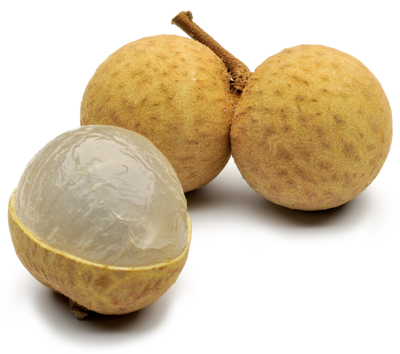
Longan
Longan is relatively small and brown, about the size of a cherry or grape. It is extremely sweet tasting, again just like grapes, and contains a single large brown seed in the middle. This fruit is definitely animal spread, as the flesh is delicious and the seed is hard and undigestible.
Guava
Guava is a large and extremely watery fruit. The skin is about as hard as the flesh, slightly harder than a firm apple. The guava is, compared to most fruits, surprisingly un-sweet. One type of guava is bright pink on the inside. Small seeds reside inside the fruit.
The question is: Why are there so many fruits, vegetables, and spices? Other than, of course, that humans like eating different things. I think because if there are more types of plants that can do different things, it means that plants can grow almost anywhere. The more different capabilities, the more chance plants have of overtaking more places.
Sources:
http://www.joyharari.com/content/uploads/2012/10/Lotus_root.jpg
http://www.rna-seqblog.com/wp-content/uploads/2013/01/chili-peppers.gif
http://imgsrv.gardening.ktsa.com/image/ktsag/UserFiles/Image/E_Images/eggplant.jpg
http://upload.wikimedia.org/wikipedia/commons/4/43/Pitaya_cross_section_ed2.jpg
http://www.newhealthguide.org/images/10415496/image001.jpg
http://wiki-fitness.com/wp-content/uploads/2013/04/guava01.jpg